
Which kind of heat pump is best for my home or business?
How to choose the best type of heat pump for your project
Would an air source or a ground source heat pump be better for me? Should I be considering less common choices like air-to-air or exhaust air heat pumps? These are the questions you may be asking yourself as you start your journey considering what kind of heat pump to install in your home or business. This article gives you a set of comparison tables with the pros and cons of a wide range of heat pump types so that you can begin to hone in on what might work for you. With three different ways to look at the best choice of heat pump for your project you can get a better sense of what is going to work best for you. Start by reviewing by the technology itself - how it is installed, how it works and what funding you might be able to get. Then look in more depth at which heat pumps are best matched to different kinds of homes. Finally consider your key project motivations and non-negotiable requirements to see which type of heat pump will answer your personal aspirations for the project.
Heat pump system types compared
The advantages and disadvantages of different heat pump types
Whilst it is important to take advice based on the expertise of your chosen installer and manufacturing partner once it comes to final decisons about a heat pump system, these useful guides to the advantages and disadvantages of different heat pump types can be a great starting point to inform your thinking.
Every type of heat pumps has its strengths and weaksnesses and best applications. These comparison tables aim to make it easier to see which types of heat pump might be the best options for you to consider
Heat Pump Type |
Indoor /Outdoor |
Indoor & Outdoor Plant / Groundworks Required |
Noise Considerations |
Space Heating | Domestic Hot Water | Cooling |
Typical Applications |
BUS Grant (England & Wales) |
General Notes |
|---|---|---|---|---|---|---|---|---|---|
Air-to-Water (Monobloc) – Outdoor installation |
Outdoor unit plus indoor hot water cylinder |
Outdoor unit contains refrigeration circuit; insulated water pipes enter property; typically requires cylinder |
Outdoor fan and compressor noise; must meet planning noise limits |
Yes |
Yes |
Possible (to a degree but not below dew point temps) on some systems with correct cylinder selection and use of underfloor and fan coil emitters but not common in retrofit installations. |
Most UK houses, retrofits, self-builds |
£7,500 or £9,000 if replacing oil or LPG |
Most common UK heat pump type; simpler installation than split systems because refrigerant remains outdoors |
Air-to-Water (Monobloc) with integral MVHR – Indoor installation |
All components indoor |
Heat pump is ducted to the outside with integral MVHR in one box. Cylinder required for hot water. No outdoor plant required. |
Some fan and compressor noise as for external units but no planning limits |
Yes |
Yes |
Yes – can provide both cooling via the compressor and via the MVHR (additional accessories may be required) |
New build or complete renovation as ducting require for MVHR |
£7,500 or £9,000 if replacing oil or LPG |
New to the UK but very popular in the new builds for 25 years in Europe. “Plant room in a box concept”. Ideal where it is difficult to have external elements. |
Air-to-Water (Split) |
Outdoor unit plus indoor hydrobox and cylinder |
Refrigerant pipework connects outdoor and indoor units; F-Gas certified installer required |
Similar to monobloc; outdoor fan and compressor |
Yes |
Yes |
Possible on some systems |
Houses, high-performance new builds, some commercial applications |
£7,500 or £9,000 if replacing oil or LPG |
Slightly more installation complexity but useful where the outdoor unit needs to be far from the house or plant room is not near the external wall. More common in very cold climates as they reduce the risk of pipework freezing. |
Air-to-Air |
Outdoor condenser and one or more indoor fan units |
Refrigerant pipework between outdoor and indoor units; no wet heating system required |
Outdoor unit noise plus indoor fan noise. Fan units are directly in living areas rather than one plant area so can be more intrusive visually and acoustically |
Yes |
No |
Yes |
Flats, apartments, highly insulated homes, homes wanting air conditioning |
£2,500 |
Essentially reversible air conditioning; excellent cooling performance. UK users may be unfamiliar and uncomfortable with the experience of hot and cold blasts of air. Not ideal for large properties as multiple indoor fan units required. |
Ground Source – Horizontal Collector |
Indoor heat pump and cylinder; buried collector loops outside |
Trenches typically 1.2 m deep across substantial garden or land area |
Very quiet; no outdoor fan |
Yes |
Yes |
Possible but not recommended due to fluctuation in ground temps at collector level |
Rural homes, self-builds, large gardens |
£7,500 or £9,000 if replacing oil or LPG |
High efficiency due to constant above zero ground temperatures; significant excavation required |
Ground Source – Vertical Borehole |
Indoor heat pump and cylinder; boreholes drilled outside |
Boreholes typically 50–200+ m deep; minimal surface footprint |
Very quiet |
Yes |
Yes |
Possible, both active and passive due to constant ground temperature below 15m |
Homes with limited land but suitable drilling access |
£7,500 or £9,000 if replacing oil or LPG |
Highest capital cost among domestic options but excellent efficiency |
Water Source – Open Loop |
Indoor heat pump and cylinder; water abstraction and discharge system |
Uses groundwater, river, lake, mine water or aquifer; permits often required |
Very quiet |
Yes |
Yes |
Possible |
Rural estates, farms, commercial buildings, suitable water-side properties |
£7,500 or £9,000 if replacing oil or LPG |
Potentially among the highest efficiencies available, maintenance of filtration system must be considered |
Water Source – Closed Loop |
Indoor heat pump and cylinder; submerged pipe loops in water body |
Collector loops placed in pond, lake or reservoir |
Very quiet |
Yes |
Yes |
Possible |
Properties with suitable pond or lake |
£7,500 or £9,000 if replacing oil or LPG |
Often cheaper than boreholes if water body already exists. Very high efficiencies – usually higher than ground loops or boreholes. |
Exhaust Air Heat Pump (EAHP) |
Mostly indoor installation |
Connected to mechanical ventilation system; recovers heat from extracted indoor air |
Very low external noise; modest indoor fan noise |
Yes |
Yes |
Limited/No |
Passivhaus, low-energy homes, apartments |
Exhaust Air to Water are eligible, exhaust Air to Air not. |
Combines heating, hot water and ventilation in one system |
Domestic Hot Water Heat Pump (DHW HP) |
Indoor or plant room only |
Integrated heat pump mounted on or incorporated into hot water cylinder |
Low indoor compressor and fan noise |
No |
Yes |
No |
Flats, small homes, supplementary hot water production |
No |
Produces hot water only; does not provide space heating, volume of hot water and recharge time must be considered |
Hybrid Heat Pump |
Outdoor heat pump plus existing boiler |
Heat pump integrated with gas or oil boiler and control system |
Similar to air-source heat pumps |
Yes |
Yes |
Usually No |
Difficult retrofits, transitional decarbonisation projects |
No |
Reduces fossil fuel use but does not eliminate it |
Shared Ground Loop / Ambient Loop |
Shared external loop network plus individual indoor heat pumps |
Central borehole field or ground loop serving multiple properties |
Very quiet at dwelling level |
Yes |
Yes |
Possible |
Apartment blocks, housing developments, heat networks |
Typically £7,500 or £9,000 if replacing oil or LPG per dwelling (subject to scheme rules) |
Infrastructure cost shared across multiple properties |
Air to air or Air to Water?
If you are trying to decide between these two technologies then one key consideration is whether you have an existing "wet" heating system. Air to water, ground to water and water to water systems integrate with this. Although some upgrades to pipework and emitters may need to be made, an air, ground or water to water system will make use of this system. Converting to air to air means not only installing new units, but also leaves you with a redundant system to remove.
If you are installing solar PV and batteries to reduce the cost of running your system, then air, ground or water to water systems have an advantage in being able to store extra heat energy in the fabric of the building and domestic hot water stores when your self generated electricity is available for free. Air to air systems can't do this to the same degree.
Air to air systems also often do not heat hot water and so are "heating only" solutions, meaning that you will need another source for hot water.
Air, ground or water-to-water systems are all capable of providing hot water with the addition of a hot water cylinder.
Although although almost all heat pumps can provide a degree of cooling if the system is designed for this requirement at the start, air to air provides the greatest cooling capacity.
Heat pump suitability for different types of properties
Want to know which kind of heat pump is most suitable for a terraced home, appartment or new build? The following table gives you another way to determine which type of heat pump system might be right for you.
Property Type |
Usually Best Fit |
Why? |
Standard suburban retrofit house |
Air-to-water monobloc |
Lowest installation complexity, compatible with existing wet heating systems, qualifies for the full BUS grant, and usually requires only an outdoor unit and hot water cylinder. |
New-build house |
Air-to-water, Ground Source, or Shared Ground Loop |
New-builds typically have excellent insulation, low-temperature underfloor heating, and can incorporate heat pump requirements from the design stage, maximizing efficiency. |
Large rural property with land |
Ground source (horizontal collector) |
Plenty of land makes trenching economical, and the stable ground temperature delivers excellent efficiency and low running costs. |
High-value property with limited garden |
Ground source (vertical borehole) |
Boreholes provide ground-source performance without needing a large garden. Higher capital cost is often acceptable in premium projects. |
Property with lake or pond |
Closed-loop water source |
The water body effectively becomes a large, stable heat source, often providing some of the highest seasonal efficiencies available. |
Property with suitable aquifer, river or mine water access |
Open-loop water source |
Can achieve exceptional efficiency because heat is extracted directly from flowing water rather than through a buried collector loop. |
Flats and apartments (individual ownership) |
Air-to-air or Exhaust Air |
Limited external space and lower heating loads make these systems practical. Air-to-air provides heating and cooling but not hot water; exhaust air can combine heating, hot water and ventilation but has limited heating capacity and is only suitable for new very well insulated, air-tight properties with ducting. |
Passivhaus / highly airtight home |
Exhaust Air Heat Pump or internal air to water source with integrated MVHR |
These homes already require mechanical ventilation and have very low heat demand, making recovery of heat from extracted air particularly effective. |
Apartment developments |
Shared Ground Loop / Ambient Loop |
Infrastructure costs (boreholes, collectors, energy centres) can be shared across multiple dwellings, improving economics and reducing visual impact. Less plant in the individual apartments means less need to arrange access for maintenance. |
Property wanting air conditioning as well as heating |
Air-to-air |
Provides both heating and cooling as standard, often at lower cost than installing separate heating and air-conditioning systems. |
Property with existing oversized radiators and good insulation |
Air-to-water monobloc |
Can often be installed with minimal emitter upgrades and provides a straightforward route away from gas or oil heating. |
Off-gas rural home replacing oil or LPG boiler |
Air-to-water or Ground Source |
High fossil fuel costs make heat pump economics particularly attractive, especially when combined with the BUS grant. |
Small flat needing only hot water |
Domestic Hot Water Heat Pump |
Compact, efficient solution where space heating is provided by another system (e.g., electric panel heaters or communal heating). |
Commercial buildings, schools, estates |
Water Source or Ground Source |
Larger and more predictable heat loads help justify the higher capital costs while maximizing the efficiency benefits of stable source temperatures. |
Historic or listed buildings where external units are problematic |
Ground Source Borehole (where feasible) |
Avoids the visual and acoustic impact of outdoor air-source units while still providing low-carbon heating. |
Dense urban developments |
Shared Ground Loop / Ambient Loop |
Avoids clutter from multiple outdoor units, reduces noise concerns, and can support future district-scale energy networks. |
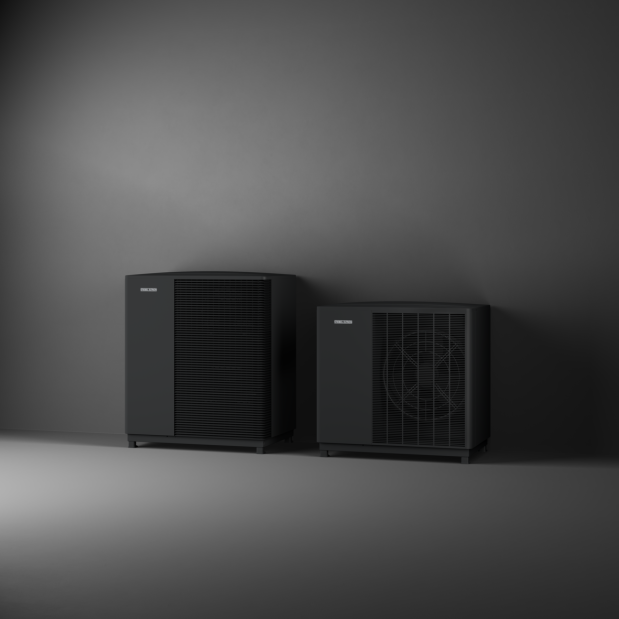
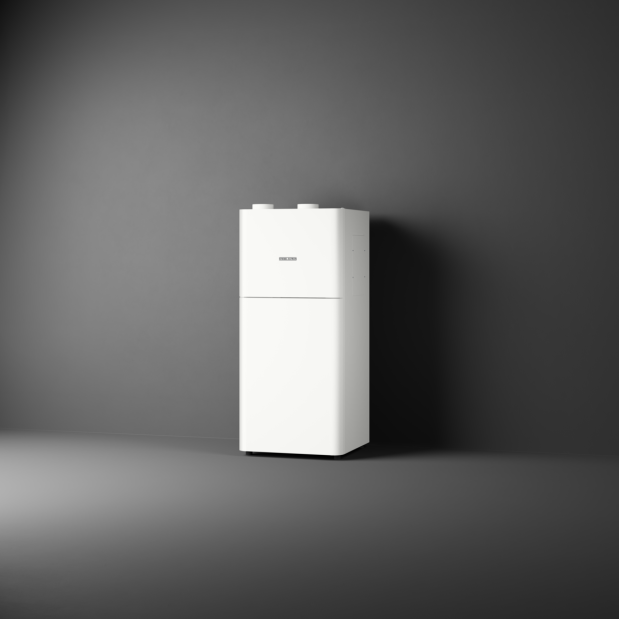
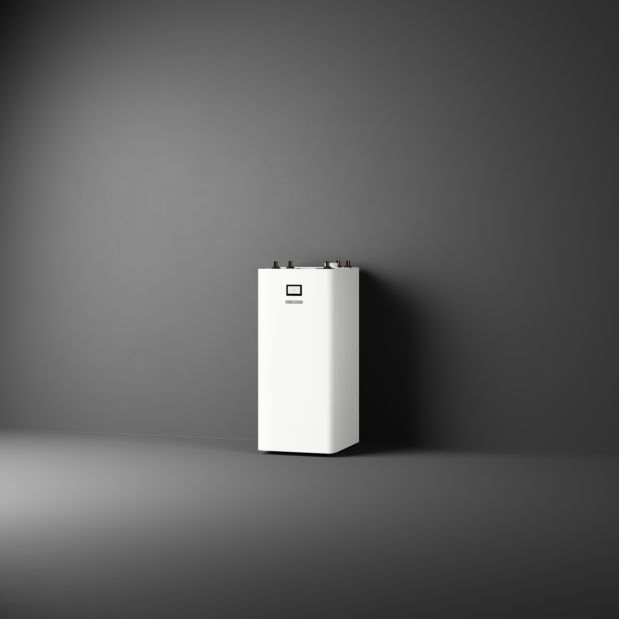
Want to know what kind of heat pump is best for a given purpose? Here's our answer at a glance
Best heat pumps for cooling, highest, efficiencies, quietest operation and more
Got a non-negotiable requirement from your heat pump system? Maybe you hate any kind of noise and want to find the quietest type on the market? Or you need a heat pump to cut your bills by the most amount? This quick table will help guide you towards the type of heat pump system most likely to achieve your project aims.
What I need from my heat pump system |
Best choices of heat pump |
Lowest installation cost |
Air-to-Air, Air-to-Water Monobloc |
Highest efficiency |
Water Source, Ground Source |
Quietest operation |
Ground Source, Water Source |
Best cooling |
Air-to-Air |
Best retrofit option |
Air-to-Water Monobloc |
| Best for maximising return on investment in solar PV and battery | Air-to-water, Water Source, Ground Source |